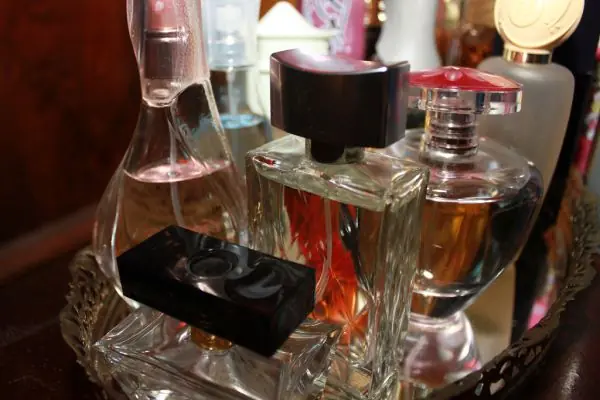
The Complete Guide to Building Your First Fragrance Collection
This post contains affiliate links. We may earn a commission if you purchase through our links, at no extra cost to you.
The Complete Guide to Building Your First Fragrance Collection
Your first fragrance collection should make getting dressed easier: something comfortable for work, something suited to evenings, and enough variety to keep both interesting. The expensive mistake is buying five bottles that fill the same role before discovering which scent families you actually enjoy.
How do you build your first fragrance collection?
Build your first fragrance collection around three roles: an everyday scent, an evening option, and something that expresses your taste. Sample each on separate days, compare the opening with the dry-down, and buy small bottles first. Prioritize distinct uses and comfortable wear over popularity or bottle count.
Start with a wardrobe, then choose the bottles
A useful collection reflects your actual week. Someone who works in a shared office and goes hiking on weekends needs a different starting point from someone whose social life revolves around restaurants and late nights.
Begin with one everyday fragrance. Add a second only when you can explain what it does differently: feels less sharp in cold weather, suits close conversation, or offers a floral character your first bottle lacks. Your third purchase can explore a preference rather than solve a practical problem.
Three bottles are a sensible starting limit, not a requirement. One well-chosen bottle and several samples can cover more ground than a shelf of redundant purchases.
This guide uses fragrance compositions and general performance expectations to explain buying choices; it is not a hands-on wear test. The hour ranges below are approximate expectations, not measured results or guarantees. Current prices, retailer stock, and regional bottle availability have not been verified.
The examples lean toward fragrances marketed to men, but those labels do not determine who can wear them.
Learn the families before memorizing note lists
Fragrance families help you recognize patterns across different brands. They are more useful for a beginner than trying to memorize every ingredient in a product description.
Fresh fragrances emphasize citrus, aromatic herbs, watery effects, or clean musks. They often suit warm weather and everyday use, although “fresh” does not necessarily mean subtle.
Woody fragrances can suggest dry cedar, creamy sandalwood, earthy vetiver, or darker patchouli. The difference matters: liking pencil-shaving dryness does not automatically mean enjoying damp, earthy woods.
Amber fragrances tend toward warmth through combinations such as vanilla, resins, spices, and balsamic sweetness. Some feel soft and rounded; others are dense enough to dominate a small room.
Floral fragrances range from airy orange blossom to powdery iris and lush rose. Floral does not automatically mean sweet, and iris can feel closer to face powder or clean fabric than a bouquet.
A fougère typically combines aromatic freshness with a softer, mossy or coumarinic foundation. Lavender is a common reference point. Modern examples may emphasize clean woods and musks instead of the more textured character associated with older styles.
Treat these categories as directions on a map. A fragrance can belong to several at once.
Understand what the notes actually tell you
Top, heart, and base describe how a composition unfolds, rather than three sealed compartments that appear on a timer.
Top notes create the initial impression, often through volatile citrus or aromatic materials. Heart notes provide the central character. Base notes tend to persist longest, shaping the later dry-down.
A listed note is also an intended smell, not proof that the bottle contains that raw ingredient. A leather accord, for example, is a constructed effect.
Finally, concentration is not a performance ranking. Eau de toilette and eau de parfum versions can have different compositions. An eau de parfum is not automatically the same scent with more hours attached.
Four useful fragrances to sample first
These are candidates for different collection roles, not a shopping list to buy in full. Sampling all four can reveal whether you prefer crisp citrus, powdery cleanliness, peppery woods, or pronounced sweetness.
| Product | Collection role | Main scent references | Approximate longevity on skin | Bottle size to consider |
|---|---|---|---|---|
| Versace Pour Homme Eau de Toilette | Fresh everyday option | Lemon, bergamot, neroli, cedar, musk | About 4–6 hours | 50 ml |
| Prada L’Homme Eau de Toilette | Polished everyday option | Neroli, iris, amber, cedar | About 6–8 hours | 50 ml |
| Dior Sauvage Eau de Toilette | Assertive everyday or evening option | Bergamot, pepper, lavender, ambroxan | About 6–9 hours | 30 ml |
| JOOP! Homme Eau de Toilette | Sweet evening option | Orange blossom, cinnamon, vanilla, sandalwood | About 8–12 hours | 30 ml |
Performance varies with application, conditions, and individual perception. Confirm the exact concentration and available size before ordering.
Versace Pour Homme Eau de Toilette: a fresh starting point
Versace Pour Homme Eau de Toilette makes sense if you want an uncomplicated fragrance for warm days, casual clothes, and routine wear.
Its top notes suggest lemon and bergamot with a light, bitter-green edge. The heart moves toward neroli and aromatic freshness rather than juicy sweetness. Cedar and musk give the base a clean, relatively transparent finish.
Expect approximately 4–6 hours on skin, with projection generally more noticeable near the start and quieter later. Its sillage is better suited to a passing trace than a persistent cloud.
The limitation is also its appeal: it offers little of the richness someone might want for a cold evening. That does not make it incomplete; it makes its role easy to understand.
A 50 ml bottle is a reasonable first purchase after sampling. If comparing listings, Versace Pour Homme Eau de Toilette at Perfumania is a relevant starting point; check current stock, concentration, size, and seller terms.
Pros
- Clear everyday role, especially in warmer weather.
- Citrus and clean woods provide an accessible introduction to fresh fragrances.
Cons
- May need reapplication for an extended day.
- Offers limited contrast if you already own several fresh citrus scents.
Prada L’Homme Eau de Toilette: clean with a powdery texture
Prada L’Homme Eau de Toilette is worth sampling if you want something polished without a forceful citrus bite.
The opening combines neroli brightness with a lightly peppery impression. Iris shapes the heart into a smooth, powdery cleanliness. Amber and cedar support the base, keeping the fragrance soft and structured rather than overtly sugary.
Allow roughly 6–8 hours as a starting expectation. Projection is usually most apparent early, with a closer presence later; the scent trail tends to feel more restrained than that of an assertive woody-amber fragrance.
The deciding factor is iris. If powdery, cosmetic-like textures bother you, broad praise for this fragrance will not change that. Sample it through the later stages before deciding.
Consider a 50 ml bottle, or a smaller decant if the powdery character is unfamiliar. You can compare availability through Prada L’Homme Eau de Toilette at eCosmetics, checking the exact product and current terms.
Pros
- Provides a distinct alternative to sharp citrus freshness.
- Can suit shared spaces when applied conservatively.
Cons
- Powdery iris is a preference you should establish before buying.
- Its softness may disappoint someone seeking a conspicuous evening fragrance.
Dior Sauvage Eau de Toilette: versatile, but conspicuous
Dior Sauvage Eau de Toilette deserves consideration when you want one fragrance to cover casual days and social evenings. Its versatility does not mean it disappears politely into the background.
Bergamot and pepper define the opening. Lavender adds an aromatic thread through the heart. The base centers on ambroxan, producing a dry, musky, woody-amber effect that can feel persistent and expansive.
Approximately 6–9 hours is a reasonable expectation to assess against your own sample. Projection and sillage can be substantial early on, particularly with generous application.
Compared with Versace Pour Homme Eau de Toilette, Dior Sauvage Eau de Toilette is drier, more assertive, and less breezy. Buying both immediately may still be redundant if your main need is simply “something fresh for every day.”
A 30 ml bottle is enough to establish whether you enjoy its persistent character. For comparison shopping, Dior Sauvage Eau de Toilette at eCosmetics provides a relevant retailer route; confirm availability and avoid confusing it with other concentrations.
Pros
- Can cover several everyday and social settings.
- Offers a more persistent option than many light citrus fragrances.
Cons
- Its sharp, diffusive character can become tiring at close range.
- Generous application can overwhelm a shared space.
JOOP! Homme Eau de Toilette: sweetness with real presence
JOOP! Homme Eau de Toilette is a useful contrast sample for anyone whose experience stops at clean, fresh fragrances.
The opening has a bright citrus impression before orange blossom becomes more prominent. Cinnamon contributes warmth through the heart. Vanilla and sandalwood shape a sweet, substantial base.
Expect roughly 8–12 hours, with potentially strong early projection and a noticeable scent trail. Cooler weather and settings with more personal space are easier starting points than a hot commute.
Its sweetness is the buying decision. Low pricing, where available, does not make a large bottle sensible if you only enjoy an occasional spray. A small decant can provide plenty of evening use.
Consider 30 ml if offered in your market. Check JOOP! Homme Eau de Toilette at Perfumania for the exact version and available sizes rather than choosing by bottle appearance alone.
Pros
- Creates clear contrast with a fresh everyday fragrance.
- Strong persistence can suit occasional evening use.
Cons
- Sweetness and projection make it less adaptable.
- A large bottle can be excessive for infrequent wear.
Compare alternatives by what your collection is missing
When finding matching scents feels difficult, compare a candidate against a specific need instead of asking whether it is universally “better.”
If Prada L’Homme Eau de Toilette appeals but you want less powder, sample Gucci Guilty Pour Homme Eau de Toilette. Its lavender, orange blossom, and woody-patchouli direction offers another route to a polished aromatic fragrance. The useful comparison is powdery softness versus a more conventional aromatic character.
If JOOP! Homme Eau de Toilette feels too sweet, Yves Saint Laurent La Nuit de L’Homme Eau de Toilette offers a different evening direction through cardamom, lavender, and cedar. Think spiced woods rather than a large vanilla-floral presence. Choose it for that character, not an assumption of equally forceful projection.
These comparisons also expose redundancy. Two fragrances can have different note lists yet serve exactly the same purpose in your life.
For fragrance pairing, start with coordination rather than layering. A quiet fragrance can sit comfortably alongside unscented grooming products; a strongly scented lotion may compete with it. Learn each perfume separately before mixing sprays, since layering makes both preference and performance harder to judge.
Use a sampling process that prevents expensive mistakes
Start with four to six samples across genuinely different directions. A 1–2 ml sample generally provides enough for several modest applications, though atomizers vary.
Use paper strips to eliminate immediate dislikes, then assess finalists on skin on separate days. Check the opening after about 10–15 minutes, the developing heart after 1–2 hours, and the later dry-down after 4–6 hours.
Keep short notes: what you smelled, whether you wanted more or less intensity, and where you would wear it. “Pleasant but unnecessary beside my current bottle” is a useful result.
Do not buy because the first five minutes are exciting. You will spend much more time with the base.
Longevity problems need the same discipline. Separate “I cannot smell it continuously” from “it has disappeared”; adaptation can reduce your awareness. Skin characteristics, weather, and application affect wear, but there is no dependable skin-type formula that predicts an exact number of hours.
If fragrance causes discomfort or irritation, stop using it. Do not try to overcome a reaction by changing concentration or adding more sprays. Known sensitivity is a reason to seek appropriate professional advice before further skin sampling.
Set your budget before choosing your bottle size
Treat these as spending caps, not verified product prices: a $50 budget might remain entirely in samples and decants; $100 could fund sampling plus one carefully chosen bottle; $200 can support a broader start without requiring several full-size purchases.
Check current local pricing before committing. Compare the same concentration and volume, including shipping and returns. A cheaper cost per milliliter is irrelevant if most of the bottle goes unused.
For a first collection, 30–50 ml is usually the practical range. Travel sprays or decants of 5–10 ml make more sense for occasional evenings or unfamiliar styles. Consider 100 ml only after sustained use shows that you regularly reach for the fragrance.
For scale, assuming roughly 10 sprays per milliliter, a 50 ml bottle contains approximately 500 sprays. At three sprays per wear, that is around 165 wears. Atomizer output varies, but the calculation explains why a modest bottle can last a long time.
Buy from an authorized retailer or the brand’s official site when provenance and support matter most. For decants, look for clear identification of the original fragrance, concentration, volume, and seller policies. A lower price alone does not establish authenticity.
Store your collection so it stays useful
Keep bottles upright, tightly capped, and away from direct sunlight and repeated heat exposure. A cool cupboard or drawer is a better default than a bathroom shelf with daily temperature swings.
Retain boxes if they help keep bottles dark, but do not mistake elaborate storage for a reason to buy more. The best collection size is one you can use.
Reassess after a few months. If every outing leads to the same bottle, keep enjoying it. If a clear gap emerges—perhaps a dry woody fragrance for evenings—sample that role next.
FAQ
How many fragrances should a beginner own?
One bottle is enough to start. Two or three can provide useful variety once you understand your preferences. Add a fragrance when it offers a distinct role or character you will actually wear.
Which of these fragrances is most office-friendly?
Prada L’Homme Eau de Toilette and Versace Pour Homme Eau de Toilette are sensible starting samples with restrained application. Workplace policy, room size, and colleagues’ comfort matter more than an “office-friendly” label.
Does eau de parfum always last longer than eau de toilette?
No. Composition, application, and conditions matter alongside concentration. Compare the exact versions on skin rather than treating the label as a guaranteed performance upgrade.
Should a beginner buy a cheaper alternative first?
Only if the alternative smells appealing in its own right. Buying several substitutes can cost more than sampling the original and purchasing one small bottle. Similarity does not guarantee equal texture, development, or enjoyment.
Can I build a collection without buying full bottles?
Yes. Clearly labeled samples, travel sprays, and decants can form a useful collection, especially while your preferences are developing. Full bottles become worthwhile when repeated use demonstrates that you want the extra volume.
Affiliate disclosure
This article contains affiliate links. fragranceProfile may earn a commission when you purchase through them, at no additional cost to you.
This article contains affiliate links. fragranceProfile may earn a commission when you purchase through them, at no additional cost to you. fragranceProfile is a Datafathom publication.
In this guide
- more on Bleu de Chanel EDT vs EDP vs Parfum
- see our full guide on Creed Viking Review
- Why 5ml Decants Beat Full Bottles in Your First Year of Fragrance
- see our full guide on Dior Homme Cologne Review
- eCosmetics vs FragranceShop: Which Retailer Offers Better Deals on Designer Perfumes?
- our notes on The First Five
- what to know about First Fragrance for a Teenager
- Gift Guide for Fragrance Lovers
Related Articles
- Best Iris Fragrances for the Office: Four Picks That Keep the Powder Under Control
- The Complete Guide to Fragrance Flankers and Extreme Editions
- Dior Sauvage vs JPG Le Male: Which Iconic Men's Fragrance Should You Buy?
- The First Five: Building Your Foundation Fragrance Collection for 2026
- Versace Eros vs Eros Flame: Which Flanker Deserves a Place in Your Collection?
Where to Buy
Affiliate links: we are a partner of the stores listed above and may earn a commission when you buy through these links, at no extra cost to you.
Image credit: photo by Jenn Durfey via Openverse, licensed CC by 2.0.